Project Britain
British Life and Culture by Mandy Barrow
The British Calendar: January to June
Welcome to a journey through the first half of the year in Britain! Our calendar is packed with fascinating traditions, historical events, and special days that are celebrated across England, Scotland, Wales, and Northern Ireland. From frosty winter mornings to the bright start of summer, let’s explore what makes each month unique in British culture and history.
January: A Fresh Start
January is the first month of the year, often bringing cold weather, and sometimes snow, across Britain. It’s a time for new beginnings after the festive period.
- New Year’s Day (1st January): Many people in Britain celebrate the arrival of the New Year with parties and fireworks on New Year’s Eve. On New Year’s Day itself, it’s common to make “New Year’s Resolutions” – promises to do good things in the year ahead. In Scotland, New Year’s Eve is called Hogmanay, and it’s a huge celebration.
- Twelfth Night (5th or 6th January): This marks the traditional end of the Christmas season. It’s when people usually take down their Christmas decorations.
- Burns Night (25th January): This important day celebrates the life and poetry of Robert Burns, Scotland’s national poet. People enjoy traditional Scottish food, like haggis, and recite his poems.
January is also when schools go back after the Christmas holidays, and the days slowly start to get longer, bringing a hint of spring.
February: Short and Sweet
February is the shortest month, but it’s full of interesting days, including some very old traditions.
- Valentine’s Day (14th February): This is a day for showing love and affection. People often send cards, flowers, or chocolates to their loved ones. The tradition is thought to have come from Roman festivals and the stories of Saint Valentine.
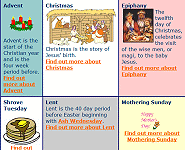
- Shrove Tuesday (Pancake Day): The date of Shrove Tuesday changes each year, as it depends on when Easter falls. It’s the day before Ash Wednesday, which marks the start of Lent – a period of 40 days when some Christians traditionally give up certain foods or habits. On Shrove Tuesday, people traditionally use up rich foods like eggs, milk, and sugar by making pancakes. Many schools and communities hold pancake races!
- Ash Wednesday: This day marks the beginning of Lent.
Many schools have a ‘half-term’ holiday in February, giving children a break from their studies.
March: Spring is in the Air
March often sees the weather getting warmer, with daffodils blooming and lambs appearing in the fields. It’s a month of national days and the official start of spring.
- St. David’s Day (1st March): This is the national day of Wales, celebrating its patron saint, Saint David. People in Wales often wear a daffodil or a leek, which are national emblems of Wales.
- Mothering Sunday (Mother’s Day): The date changes each year, always falling three weeks before Easter Sunday. Historically, it was a day when people would visit their ‘mother church’. Over time, it evolved into a day to honour mothers.
- St. Patrick’s Day (17th March): This day celebrates the patron saint of Ireland, Saint Patrick. It’s a public holiday in Northern Ireland and is celebrated by Irish communities across Britain and the world, often with parades and green clothing.
- Spring Equinox: Around 20th March, this marks the official start of spring, when day and night are almost equal in length.
- British Summer Time (BST): Towards the end of March, the clocks go forward by one hour, giving us lighter evenings.
- Easter: Sometimes Easter falls in March, other times in April. It is the most important Christian festival, celebrating the resurrection of Jesus. It’s a time for church services, Easter eggs, and family gatherings. Schools usually have a two-week holiday around Easter.
April: Showers and Saints
April is well-known for its spring showers, but it also brings brighter days and an important English national day.
- April Fool’s Day (1st April): This is a day for playing harmless practical jokes on friends and family. The trickster shouts “April Fool!” after their prank. The tradition dates back centuries.
- Easter: If Easter didn’t fall in March, it will be in April. The Easter school holidays are a popular time for families.
- St. George’s Day (23rd April): This is England’s national day, celebrating its patron saint, Saint George. The flag of England, a red cross on a white background, is known as St. George’s Cross.
April is a beautiful month to see the British countryside burst into life, with many baby animals like lambs being born.
May: Bank Holidays and Maypoles
May is a lovely month in Britain, often with warmer weather and two special public holidays, known as Bank Holidays, which give most people a long weekend.
- May Day (1st May): Traditionally, this was a celebration of spring and fertility. In some parts of Britain, you can still see Maypole dancing, where children dance around a tall pole decorated with ribbons.
- Early May Bank Holiday: This always falls on the first Monday in May.
- Spring Bank Holiday: This falls on the last Monday in May. Many schools have another half-term holiday around this time.
- Chelsea Flower Show: Held in London in late May, this is a world-famous event showcasing amazing garden designs and flowers.
With two bank holidays, May is a popular month for short breaks and enjoying the outdoors.
June: The Start of Summer
June is often considered the start of summer in Britain, bringing the longest day of the year and some very special national events.
- Trooping the Colour (Official Birthday of the Monarch): This spectacular military parade takes place in London, usually on the second Saturday of June, to celebrate the King’s (or Queen’s) official birthday. It’s a grand display of British pageantry.
- Father’s Day: Celebrated on the third Sunday in June, this is a day to honour fathers and father figures.
- Summer Solstice: Around 20th or 21st June, this is the longest day of the year in the Northern Hemisphere, marking the peak of summer.
- Wimbledon Tennis Championships: Starting in late June, this is one of the world’s most famous tennis tournaments, held in London. It’s known for its grass courts and strawberries and cream!
For many schoolchildren, June also marks the start of the countdown to the long summer holidays!
Key Dates and Events (January – June)
Here’s a quick look at some of the important dates and events we’ve discussed:
| Month | Date / Period | Event / Tradition | |||||||||||||||||||||||||||||||||||||||||||||
|---|---|---|---|---|---|---|---|---|---|---|---|---|---|---|---|---|---|---|---|---|---|---|---|---|---|---|---|---|---|---|---|---|---|---|---|---|---|---|---|---|---|---|---|---|---|---|---|
| January | 1st January | New Year’s Day | |||||||||||||||||||||||||||||||||||||||||||||
| January | 25th January | Burns Night (Scotland) | |||||||||||||||||||||||||||||||||||||||||||||
| February | 14th February | Valentine’s Day | |||||||||||||||||||||||||||||||||||||||||||||
| February | Variable (before Lent) | Shrove Tuesday (Pancake Day) | |||||||||||||||||||||||||||||||||||||||||||||
| March | 1st March | St. David’s Day (Wales) | |||||||||||||||||||||||||||||||||||||||||||||
| March | Variable (3 weeks before Easter) | Mothering Sunday | |||||||||||||||||||||||||||||||||||||||||||||
| March | 17th March | St. Patrick’s Day (Northern Ireland) | |||||||||||||||||||||||||||||||||||||||||||||
| March/April | Variable | Easter | |||||||||||||||||||||||||||||||||||||||||||||
| April | 1st April | April Fool’s Day | |||||||||||||||||||||||||||||||||||||||||||||
| April | 23rd April | St. George’s Day (England) | |||||||||||||||||||||||||||||||||||||||||||||
| May | 1st Monday in May |  |
|
||||||||||||||||||||||||||||||||||||||||||||
 |
|||||||||||||||||||||||||||||||||||||||||||||||
|
|||||||||||||||||||||||||||||||||||||||||||||||