British Life and Culture by Mandy Barrow
Many schools in Britain ask their pupils to wear a school uniform. This means everyone wears the same special clothes to school each day. It helps make everyone feel like part of the same team.
School uniforms have been a part of British schooling for a very long time. They are an important tradition in many primary and secondary schools across the country.
The idea of school uniforms in Britain goes back hundreds of years. One of the earliest examples was in the 16th century at Christ’s Hospital in London.
Children at this charity school wore a long blue coat, knee breeches, yellow socks, and a white neck band. This uniform is still worn by pupils there today, making it one of the oldest school uniforms in the world!
By the Victorian era, many schools, especially boarding schools and grammar schools, adopted uniforms. They were often quite formal, showing the status of the school and promoting discipline.
Public schools (which are actually private fee-paying schools in Britain) were famous for their strict uniforms. Boys often wore blazers, caps, and ties, while girls had specific dresses or tunics.
Today, school uniforms vary a lot from school to school. However, most uniforms share some common items.
Primary school uniforms are often simpler, perhaps a polo shirt in the school colour, a sweatshirt or cardigan, and grey or black trousers or a skirt. Girls might wear a checked summer dress in warmer months.
Secondary school uniforms are usually more formal. They often include a blazer, a tie, a white shirt, and specific trousers or a skirt. The school badge is usually on the blazer or tie.
Here are some items you might find in a typical British school uniform:
| Boys’ Uniform | Girls’ Uniform |
|---|---|
| White or school-coloured shirt | White or school-coloured blouse |
| School tie (often striped) | School tie (often striped) |
| School blazer (with badge) | School blazer (with badge) |
| Grey or black trousers | Grey or black skirt or trousers |
| School jumper or cardigan | School jumper or cardigan |
| Black shoes | Black shoes |
| Socks | Socks or tights |
| (Summer: checked dress for girls) | (Summer: checked dress for girls) |
There are many reasons why schools choose to have a uniform. One big reason is to create a sense of belonging and community among the pupils.
Uniforms help to put everyone on an equal footing, no matter how rich or poor their family is. This means children don’t feel pressure to wear expensive trendy clothes.
They also help with discipline and focus. When children are dressed smartly for school, it can help them feel ready to learn and behave well. It reminds them that school is a place for serious study.
Another important reason is safety and security. It’s much easier to identify who belongs in the school and who doesn’t if everyone is wearing a uniform. This helps to keep pupils safe.
You can learn more about different types of schools in Britain on our Types of Schools page.
Most state schools in England have a uniform policy, and pupils are expected to follow it. While parents can choose which school their child attends, they usually agree to the uniform rules when they enrol.
Schools usually have clear rules about what is and isn’t allowed. This includes things like jewellery, hair styles, and even the type of bag pupils can carry. It helps maintain a consistent look for everyone.
Buying a school uniform can sometimes be expensive for families. Schools try to keep costs down by allowing generic items (like grey trousers) to be bought from any shop.
However, items with a school logo, like blazers or ties, often have to be bought from specific suppliers. Some schools also offer second-hand uniform sales to help families save money.
by Mandy Barrow
|
Special Days in December
|
||||||||||||||||||||||||||||||||||||||||
Learn about Christmas in England from the children who live in Britain Christmas traditions why do what we do at chrsitmas time
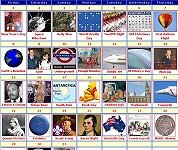
Information about my calendars
"I am and American citizen and astounded by your wonderful website! It is not only informative but kept so up to date that I constantly refer to it, especially the calendar. The pupils of your school are indeed lucky and the site reflects the dedication and enthusiasm of the staff and students. I hope the site continues for many years." Charles, USA, Atlanta "I was searching the web yesterday for a website that would give me a calendar of significant days and weeks throughout the year. I was really struggling until I came across your website and was instantly blown away. I know you have already received lots of praise for your efforts but your site is the most impressive schools website I have seen. Often the amount of time and effort put into creating such a resource is not matched by its usefulness. Your calendars in particular are second to none. Thank you and well done." David, Deputy Headteacher "EXCELLENT information of the customs and traditions of Great Britain........some of which are in danger of being lost or forgotten forever. THANKS for such an interesting site! " Karen "As a childminder I like to celebrate festivals and awareness days with the little ones. This was the best and most comprehensive list I found on the net." "Information about awareness days and special dates to help me plan my youth work programme." "I am British but now living in the US. I needed to know when Mothers' Day is in the UK. (In the USA it is always in May. In 2007 it is on May 13 this year. I didn't want my mother to think I had forgotten her - in March! Now she'll get two cards - one in March and one in May but she deserves to be applauded twice!" "Thank you for all the information i have found relating to feasts and festivals as a teacher it has given me an insite to the history i needed to teach to primary children" Julie, Northampton England "This is a fantastic website. I am a headteacher planning this terms assemblies and came accross your site through REonline. It is full of useful well presented information. I can use a lot of it in my assemblies and I will be recommending that my staff use it with children. We are an infant school but the way you present the information is so accessible that I feel we could use it. Thank you."
© Copyright 2013
is the creator of the Woodlands Resources section of the Woodlands Junior website. left Woodlands in 2003 to work in Kent schools as an ICT Consulatant. Woodlands Junior Homework Help new website |

customs traditions britain, scotland customs and traditions, traditional british christmas dinner, christmas customs traditions, christmas traditions, british culture customs traditions, british christmas customs, british christmas carols, british christmas crackers, british christmas pudding,british christmas trees, british christmas dinner, british celebrate christmas, british royal family, chrsitmas traditions, christmas customs, england, wales, scotland, Christmas Celebrations, british traditions, british customs, british culture, December, Christmas, food, christmas dinner, mince pies, advent, christmas eve, christmas day, boxing day, 12 days of christmas, new year, christmas pudding, christmas cake, christmas carols, christmas cards, christmas stocking, pantomime, santa claus, st nicholas, christmas presents, christmas crackers, christmas trees, mistletoe, holly, ivy