British Life and Culture by Mandy Barrow
Have you ever wondered who will be the next King or Queen of the United Kingdom? The answer lies in something called ‘Royal Succession’. Royal Succession is the set of rules that decides who inherits the throne when the current monarch dies or steps down. It’s a very old system, designed to ensure there’s always a clear leader for the country, bringing stability and continuity.
The British monarchy is hereditary, which means the position of King or Queen is passed down through families, usually from parent to child. It’s not like electing a president; instead, the rules of succession determine who is next in line, often called the ‘heir apparent’ or ‘heir presumptive’.
For hundreds of years, the rules for who would become the next monarch were based on a system called ‘male-preference primogeniture’. This is a long word that means the first-born son would inherit the throne before any of his sisters, even if a sister was older. For example, if a King had an older daughter and a younger son, the son would become King.
The rules also state that the monarch must be a descendant of Sophia of Hanover. This rule dates back to the Act of Settlement in 1701, which we will talk about next. It was put in place to ensure that only Protestant royals could inherit the throne, preventing any Roman Catholics from becoming monarch.
The Act of Settlement is a very important law in British history. It was passed in 1701 to make sure that the throne would always pass to Protestant heirs. At the time, there was concern about who would rule after Queen Anne, as she had no surviving children. The Act made it clear that only Protestant descendants of Sophia of Hanover (who was a granddaughter of King James I) could inherit the throne. It also said that if a royal married a Roman Catholic, they would lose their place in the line of succession.
This Act was created to prevent religious conflicts over the crown, which had caused many problems in England’s past. It has been a cornerstone of British succession law for over 300 years, establishing a clear path for the Protestant succession.
In recent times, some of these old rules were seen as a little outdated. So, in 2011, leaders from the Commonwealth countries (where the British monarch is also Head of State
|
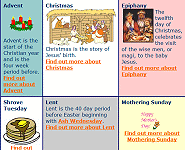
Special Days in December
|
||||||||||||||||||||||||||||||||||||||||
Learn about Christmas in England from the children who live in Britain Christmas traditions why do what we do at chrsitmas time
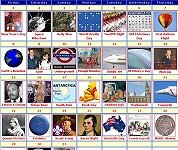
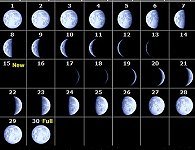
Information about my calendars
"I am and American citizen and astounded by your wonderful website! It is not only informative but kept so up to date that I constantly refer to it, especially the calendar. The pupils of your school are indeed lucky and the site reflects the dedication and enthusiasm of the staff and students. I hope the site continues for many years." Charles, USA, Atlanta "I was searching the web yesterday for a website that would give me a calendar of significant days and weeks throughout the year. I was really struggling until I came across your website and was instantly blown away. I know you have already received lots of praise for your efforts but your site is the most impressive schools website I have seen. Often the amount of time and effort put into creating such a resource is not matched by its usefulness. Your calendars in particular are second to none. Thank you and well done." David, Deputy Headteacher "EXCELLENT information of the customs and traditions of Great Britain........some of which are in danger of being lost or forgotten forever. THANKS for such an interesting site! " Karen "As a childminder I like to celebrate festivals and awareness days with the little ones. This was the best and most comprehensive list I found on the net." "Information about awareness days and special dates to help me plan my youth work programme." "I am British but now living in the US. I needed to know when Mothers' Day is in the UK. (In the USA it is always in May. In 2007 it is on May 13 this year. I didn't want my mother to think I had forgotten her - in March! Now she'll get two cards - one in March and one in May but she deserves to be applauded twice!" "Thank you for all the information i have found relating to feasts and festivals as a teacher it has given me an insite to the history i needed to teach to primary children" Julie, Northampton England "This is a fantastic website. I am a headteacher planning this terms assemblies and came accross your site through REonline. It is full of useful well presented information. I can use a lot of it in my assemblies and I will be recommending that my staff use it with children. We are an infant school but the way you present the information is so accessible that I feel we could use it. Thank you."
© Copyright 2013
is the creator of the Woodlands Resources section of the Woodlands Junior website. left Woodlands in 2003 to work in Kent schools as an ICT Consulatant. Woodlands Junior Homework Help new website |

customs traditions britain, scotland customs and traditions, traditional british christmas dinner, christmas customs traditions, christmas traditions, british culture customs traditions, british christmas customs, british christmas carols, british christmas crackers, british christmas pudding,british christmas trees, british christmas dinner, british celebrate christmas, british royal family, chrsitmas traditions, christmas customs, england, wales, scotland, Christmas Celebrations, british traditions, british customs, british culture, December, Christmas, food, christmas dinner, mince pies, advent, christmas eve, christmas day, boxing day, 12 days of christmas, new year, christmas pudding, christmas cake, christmas carols, christmas cards, christmas stocking, pantomime, santa claus, st nicholas, christmas presents, christmas crackers, christmas trees, mistletoe, holly, ivy