Project Britain
British Life and Culture by Mandy Barrow
What is Time Length?
Time is a fascinating thing! It’s always moving forward, never stopping. But how do we measure how much time has passed? That’s what we mean by ‘time length’. From the blink of an eye to a whole century, we have special ways to measure and understand these different lengths of time. Knowing about time length helps us plan our days, understand history, and even know when our favourite TV show is on!
Humans have always tried to measure time, looking at the sun, moon, and stars. Over thousands of years, we’ve developed a system that is used all over the world, including right here in Britain. Let’s explore how we measure these different lengths of time, and discover some interesting British connections along the way.
Measuring Short Lengths of Time
When we talk about very short periods, we use seconds, minutes, and hours. These are the building blocks of our daily time:
- A **second** is a very short length of time. If you say “one thousand and one,” that’s about one second.
- A **minute** is 60 seconds long. Most school lessons are about 30 or 45 minutes long.
- An **hour** is 60 minutes long, or 3,600 seconds. A typical school day might last about six hours.
These units of time came from ancient civilisations, like the Babylonians, who used a number system based on 60. Today, they are standard all around the globe, meaning an hour in London is the same length as an hour in Sydney!
Days, Weeks, and Fortnights
Moving on from hours, we come to longer stretches of time:
- A **day** is the time it takes for the Earth to spin around once. This gives us daylight and night-time. There are 24 hours in one day.
- A **week** is made up of seven days. The idea of a seven-day week also comes from ancient times, possibly linked to the phases of the moon or religious practices. In Britain, our week usually starts on a Monday for work and school, and ends with the weekend (Saturday and Sunday).
Now for a special British term: a **fortnight**! If someone in Britain says they are going on holiday for a fortnight, it means they are going for two weeks. This old English word literally means “fourteen nights” (fourteen nights and days). It’s a very common way to describe a two-week period in Britain, even today, though it’s not used much in other English-speaking countries.
Months and Years
When we want to measure even longer lengths of time, we use months and years:
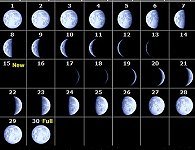
- A **month** is a period of time that is roughly based on the moon’s cycle around the Earth. Our modern calendar has 12 months in a year, though the length of each month varies (28, 29, 30, or 31 days). The names of our months, like January and March, come from ancient Roman times.
- A **year** is the time it takes for the Earth to travel all the way around the Sun once. This journey takes about 365 and a quarter days. Because of that extra quarter day, every four years we have a **leap year**, which has an extra day in February (February 29th) to keep our calendar in sync with the Earth’s orbit. This means a leap year has 366 days!
Longer Spans of Time: Decades, Centuries, Millennia
For looking at history, or talking about very long periods, we use even bigger units:
- A **decade** is a length of 10 years. We often talk about the ‘1980s’ or the ‘noughties’ (2000s) when we mean a decade.
- A **century** is a length of 100 years. For example, Queen Victoria reigned for most of the 19th century.
- A **millennium** is a length of 1,000 years. The year 2000 was a big celebration because it marked the start of a new millennium!
Britain and Global Time: GMT and the Prime Meridian
Britain has played a very important role in how the world measures time length, especially when it comes to setting a global standard. This is all thanks to **Greenwich Mean Time (GMT)** and the **Prime Meridian**.
In 1884, countries from around the world met and agreed that the line of longitude passing through the Royal Observatory in Greenwich, London, would be the **Prime Meridian** (0 degrees longitude). This line became the starting point for measuring distances east and west around the Earth, and crucially, for measuring time zones.
GMT became the world’s standard reference time. When it’s 12:00 GMT, you can work out what time it is anywhere else in the world by adding or subtracting hours. This made it much easier for ships to navigate and for railway timetables to be organised across different countries. Even today, many important global activities, like air traffic control, still refer to GMT (or Coordinated Universal Time, UTC, which is very similar to GMT).
British Summer Time (BST)
While GMT is our standard time, Britain also uses **British Summer Time (BST)** for part of the year. This is a type of Daylight Saving Time. The idea was first suggested by a British builder named William Willett in 1907. He noticed how much daylight was ‘wasted’ in the mornings during summer and thought it would be better to shift the clocks to make more use of the evening light.
So, every year, in late March, our clocks “spring forward” by one hour. This means we gain an hour of daylight in the evening but lose an hour of sleep! Then, in late October, the clocks “fall back” by one hour, returning to GMT. This gives us lighter evenings during the summer months, which is great for playing outside after school or enjoying the longer evenings.
How We Use Time Length in Britain
Time length is woven into the fabric of daily life and history in Britain. Our school terms are carefully planned in lengths of weeks, our public holidays like Christmas and Easter have specific lengths or fall on particular dates, and historical events are always remembered by their date and duration.
For instance, Remembrance Day on November 11th marks the end of World War I, and we observe a two-minute silence to honour those who died. Guy Fawkes Night on November 5th is celebrated every year. Knowing about time length helps us understand how long these traditions have been part of British culture.
A Table of Common Time Lengths
Here is a quick summary of the time lengths we’ve discussed:
| Unit of Time | How Long It Is | ||||||||||||||||||||||||||||||||||||||||||||||
|---|---|---|---|---|---|---|---|---|---|---|---|---|---|---|---|---|---|---|---|---|---|---|---|---|---|---|---|---|---|---|---|---|---|---|---|---|---|---|---|---|---|---|---|---|---|---|---|
| Second | The basic unit of time | ||||||||||||||||||||||||||||||||||||||||||||||
| Minute | 60 seconds | ||||||||||||||||||||||||||||||||||||||||||||||
| Hour | 60 minutes | ||||||||||||||||||||||||||||||||||||||||||||||
| Day | 24 hours | ||||||||||||||||||||||||||||||||||||||||||||||
| Week | 7 days | ||||||||||||||||||||||||||||||||||||||||||||||
| Fortnight | 2 weeks (14 days) – a British term! | ||||||||||||||||||||||||||||||||||||||||||||||
| Month | Approximately 4 weeks (28-31 days) | ||||||||||||||||||||||||||||||||||||||||||||||
| Year | 12 months (365 or 366 days) | ||||||||||||||||||||||||||||||||||||||||||||||
| Decade | 10 years |  |
|
||||||||||||||||||||||||||||||||||||||||||||
 |
|||||||||||||||||||||||||||||||||||||||||||||||
|
|||||||||||||||||||||||||||||||||||||||||||||||